What Is Philippine Sweepstakes? PCSO History & How It Works
Philippine sweepstakes explained: how the PCSO started in 1934, how lotto replaced the old sweepstakes tickets, and how the games work today.
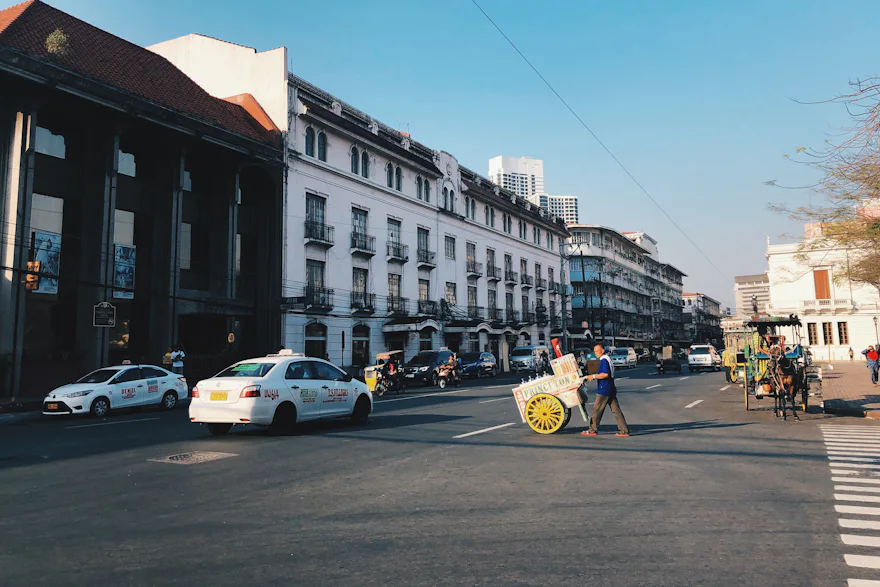
- “Philippine sweepstakes” usually means the games run by the Philippine Charity Sweepstakes Office (PCSO).
- PCSO began in the 1930s selling sweepstakes tickets; today its main products are lotto, digit games and STL.
- A big share of every ticket goes to PCSO’s charity and medical-assistance programmes.
Ask any lolo or lola in the Philippines about “sweepstakes” and you will probably hear a story about a neighbour who once bought a ticket from a corner vendor and dreamed about the big prize. The words Philippine sweepstakes carry almost a century of history — and today they mostly mean one thing: the games run by the Philippine Charity Sweepstakes Office (PCSO).
This beginner guide explains where the sweepstakes came from, how it turned into the lotto draws you see every night at 9 PM, and what that means for you as a player. If you are already comfortable with the basics, jump straight to our step-by-step guide to playing PCSO lotto or the weekly draw schedule.
A short history of the Philippine sweepstakes
The PCSO traces its roots to 1934, when a law created a national sweepstakes to raise money for health and charity work. Its modern charter is Republic Act No. 1169, passed in 1954, which still defines the agency as the government’s main fundraising arm for health programmes, medical assistance and charities. You can read a good overview on the PCSO Wikipedia page.
For decades the star product was the paper sweepstakes ticket, often tied to horse races. Vendors walked the streets of Quiapo, Divisoria and every provincial plaza selling them. In the mid-1990s the PCSO introduced computerised lotto, starting with the 6/42 game, and lotto quickly became the nation’s favourite way to “try your luck”.

What the PCSO runs today
The modern line-up is much wider than the old sweepstakes ticket. The main products are:
- Major lotto games — Ultra Lotto 6/58, Grand Lotto 6/55, Superlotto 6/49, Megalotto 6/45 and Lotto 6/42. See each one compared on our PCSO games page.
- Digit games — 6D and 4D, where you match digits in exact order.
- Daily games — 3D (Swertres) and 2D (EZ2), drawn three times a day. Our Swertres and EZ2 guide covers them in detail.
- Small Town Lottery (STL) and instant/scratch products in some areas.
The official source for every game, rule and result is the PCSO official website. We recommend bookmarking it next to this site.
How a PCSO lotto draw works
Every lotto game follows the same simple idea: you choose numbers, PCSO draws numbers, and you win if they match. For a 6/42 game, you pick six different numbers from 1 to 42. On draw night, six balls are drawn live. Match all six and you share the jackpot; match fewer and you may win a smaller fixed prize.
Draws are held at the PCSO draw studio and are broadcast and posted online. Daily games draw at 2:00 PM, 5:00 PM and 9:00 PM, while the major lotto games draw at 9:00 PM on set days. Our draw schedule page highlights which games draw today.
Where does your ticket money go?
This is the part many players don’t realise. Under the PCSO charter, ticket sales are split between a prize fund, a charity fund and operating costs. That charity money supports medical assistance for patients, ambulance donations and disaster relief. We go deeper in where your PCSO lotto money goes.
Is the Philippine sweepstakes legal?
Yes — PCSO games are the government’s own lottery and are legal when bought from authorised outlets or official PCSO channels. What is not legal is buying from unlicensed “bookies”, jueteng collectors or random social-media pages that claim to sell PCSO tickets. Learn the warning signs in our guide to PCSO lotto scams.
Your next steps
- Compare the games and their odds on the PCSO lotto games page.
- Read PCSO lotto odds explained so you know what you are really playing for.
- Set a budget using our responsible play tips.
- Try the lucky number generator if you can’t decide on your numbers.